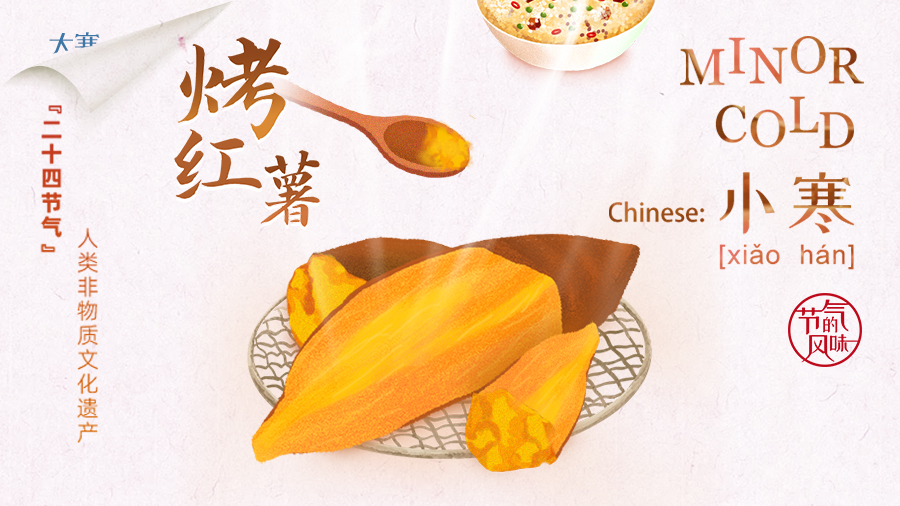
Minor Cold
Overview
Minor Cold is the 23rd solar term in the traditional Chinese solar calendar, which is divided into 24 solar terms. This system has been instrumental in guiding agricultural practices in China for thousands of years. Minor Cold generally marks the onset of the coldest days of the year for most regions in China and signifies a period of transition as the cold weather sets in, paving the way for the forthcoming Great Cold.
Climate and Weather Patterns
The solar term of Minor Cold generally begins around Jan 5th or 6th and extends over a 15-day period. These dates are determined based on the position of the sun in relation to the Earth, specifically when the sun reaches the celestial longitude of 285 degrees.
Cultural Significance and Traditions
In ancient China, the solar terms were closely linked to agricultural cycles and community activities, and they continue to hold cultural significance today. The arrival of Minor Cold is often associated with various cultural practices and traditional customs. It is a time when people begin preparations for the Lunar New Year, engaging in activities such as stocking up on food and decorative items.
Minor Cold has inspired various works of literature and folklore, reflecting its importance in Chinese culture. The term huaxinfeng, or "flower-greeting wind", is used to describe the winds that herald the blooming of plum blossoms. These winds are seen as a precursor to the floral cycle that continues through subsequent solar terms.
Food and Celebration
During Minor Cold, various traditional foods are emphasized, believed to fortify the body against the chill of winter. These include:
Mutton Hot Pot: This dish is favored for its yang energy, which is said to counteract the cold. Mutton is boiled, enhancing its warming properties.
Laba Porridge: Made from a mixture of grains, nuts, and dried fruits, this porridge is traditionally prepared on the eighth day of the twelfth lunar month (Laba Festival) and is consumed for its nutritional benefits and warming effect.
Nanjing Vegetable Rice: A customary dish in Nanjing, prepared with local specialties such as aijiaohuang, sausage, and salted duck.
Preparations for the New Year
As Minor Cold coincides with preparations for the Spring Festival, people engage in:
Decorative Preparations: This involves purchasing and preparing Spring Festival couplets, New Year pictures, paper cuts for windows, and lanterns.
Traditional Medicine: This period is marked by a high demand for traditional Chinese medicines as people prepare herbal concoctions to boost their health ahead of the festivities and colder weather.
Modern Celebrations and Cultural Activities
While some customs around Minor Cold have waned, others have evolved or gained new meaning in modern society. For instance, contemporary interpretations see the rise of winter sports during this time, with ice rinks opening in places like Beijing, reflecting a blend of traditional customs and modern leisure activities.
The preservation and adaptation of these cultural practices underscore the dynamic nature of Chinese traditions, as communities balance historical customs with modern lifestyles. The recognition of China's 24 Solar Terms by UNESCO as an Intangible Cultural Heritage of Humanity in 2016 highlights the enduring significance of these customs in understanding and celebrating human interaction with the natural world. Article reference1. 24 Solar Terms: 6 things you must know about Major Cold. en.chinaculture.org. 20232. 24 Solar Terms: Minor Cold. chinadaily.com.cn. 20233. A time to celebrate tradition. chinadaily.com.cn. 20234. Winter & 24 Solar Terms. en.chinaculture.org. 2022Photo Gallery(7 pictures)CategoriesLifestyleTag24 Solar TermsRelatedMajor Cold24 Solar TermsCatalogue1. Overview2. Climate and Weather Patterns3. Cultural Significance and Traditions4. Modern Celebrations and Cultural Activities- - - []








